


Bee Product Capsules, Berberine
Berberine – A Natural Alternative to Modern Expensive Injectable Weight Loss Drugs?
In recent years, injectable drugs containing the active ingredient semaglutide have become one of the biggest trends in the world of weight loss. Their effects on blood sugar, appetite, and weight are proven, but high costs, side effects, and the requirement for medical supervision make them inaccessible to many.
Now, however, the focus has shifted to berberine – a natural compound that has been dubbed “nature’s semaglutide.” But is there any basis for this comparison?
What is Berberine and How Does It Work?
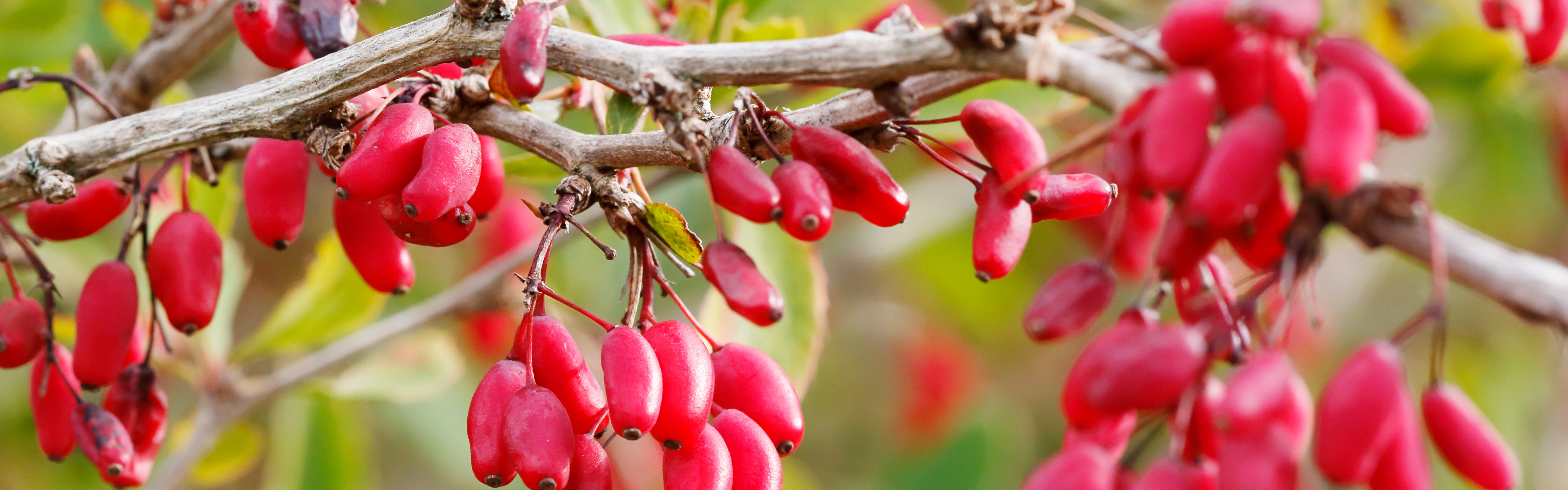
Berberine is a bioactive compound found in several plants, including Berberis vulgaris, or European barberry. Historically, it has been used in Chinese and Ayurvedic medicine to alleviate various health concerns, including gastrointestinal disorders, skin problems, infections, and blood sugar balancing.
Modern science has found that berberine activates an enzyme in the body called AMPK, which plays a vital role in cellular energy metabolism. Through this mechanism, berberine helps regulate blood sugar and lipid metabolism. Additionally, its positive effects have been observed in cases of overweight, obesity, diabetes, and general metabolic issues.
Why is it Compared to Injectable Drugs Containing Semaglutide?
Semaglutide is a prescription drug that affects GLP-1 receptors, increases insulin production, slows gastric emptying, and reduces appetite. Due to its effectiveness in treating type 2 diabetes and promoting weight loss, it has become a popular choice for weight management even without a medical indication.
Berberine does not work through the same mechanisms. Although the results – reduced blood sugar, improved insulin sensitivity, lower body weight – may overlap to some extent, they are achieved through different pathways. Therefore, the comparison with semaglutide is only partial.
What Does Science Say About Berberine?
Studies have shown that berberine helps reduce blood glucose levels and improve insulin sensitivity, being comparable in effectiveness to metformin in some studies. Positive effects on blood lipid profiles and the ability to support weight loss have also been observed, especially when accompanied by a wholesome diet and an active lifestyle.
Berberine may also influence the development of fat cells and inhibit their storage, as well as improve the balance of the gut microbiome. These effects combined can contribute to weight reduction and the normalization of metabolism, but the process is slower and more natural than with injectable drugs.
Is Berberine Safe?
Berberine is easily available as a dietary supplement and does not require a prescription. A typical dose is 500 mg two to three times a day. However, it should be noted that it may have some side effects, such as gastrointestinal irritation, especially at the beginning of use. It may also interact with certain medications, including diabetes and blood pressure drugs. Therefore, it is recommended to consult a health professional before use, especially if prescription medications are being taken.
Summary – A Natural Alternative or Exaggerated Hope?
Although berberine and semaglutide function through different mechanisms in the body, they share one common trait: they can contribute to better metabolic function and help maintain blood sugar balance. It is true that berberine is not a medicine and does not replace treatment prescribed by a doctor, but based on numerous studies and traditional use, it can be considered a potent natural aid.
If you are looking for a natural, safe, and affordable way to support your metabolism, blood sugar, and weight, berberine may be exactly what you need – especially if you value pure ingredients and a science-based approach.
Sources used:
-
Och, A. et al. (2022). Berberine in metabolic syndrome. Molecules, 27(4), 1351.
https://doi.org/10.3390/molecules27041351 -
Neag, M. A. et al. (2018). Berberine: traditional uses and relevance. Frontiers in Pharmacology, 9, 557.
https://www.frontiersin.org/articles/10.3389/fphar.2018.00557/full -
Mahapatra, M. K. et al. (2022). Semaglutide as GLP-1 agonist. Reviews in Endocrine and Metabolic Disorders, 23(3), 521-539.
https://doi.org/10.1007/s11154-022-09744-0 -
Ilyas, Z. et al. (2020). Berberine and weight loss. Biomedicine & Pharmacotherapy, 127.
https://doi.org/10.1016/j.biopha.2020.110333 -
Yin, J. et al. (2008). Efficacy of Berberine. Metabolism, 57(5), 712-717.
https://doi.org/10.1016/j.metabol.2007.11.018 -
US FDA. (2025). Concerns with unapproved GLP-1 drugs.
https://www.fda.gov/drugs/postmarket-drug-safety-information-patients-and-providers/fdas-concerns-unapproved-glp-1-drugs-used-weight-loss
FRESH 2024. THE HONEY OF THE YEAR IS NOW AVAILABLE!
2025 honey is now available!
FREE mõts with your order!
New customers favorites – here are the 6 products customers loved the most!
Propolis bundles -
discounted price!
By purchasing 2 balms, you will get lip balm as a gift!
Stimulate skin renewal processes!